


9
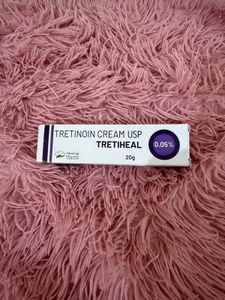
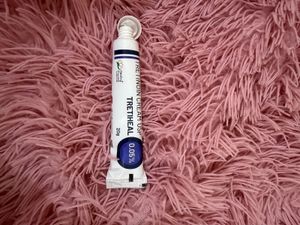
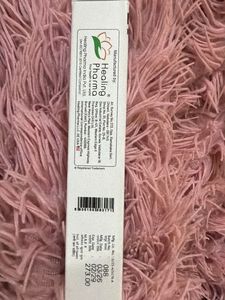
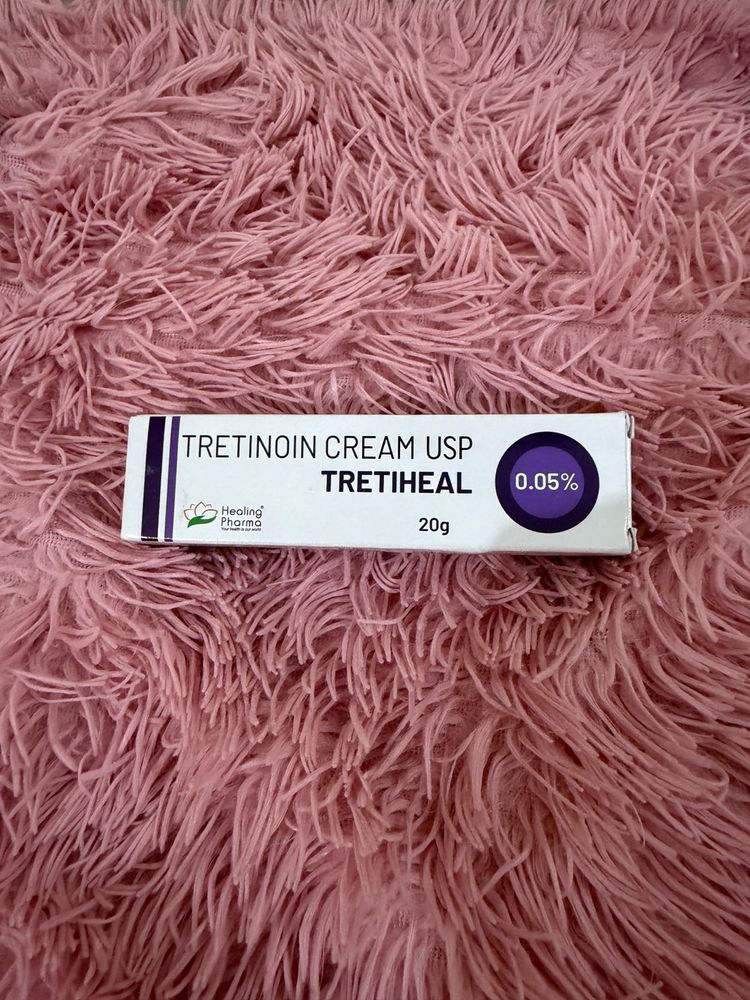
Tretinoin Cream USP 0.05%
1. Benefits of tretinoin 0.05%
Acne and clogged pores
Helps clear blackheads and whiteheads.
Reduces clogged pores.
Helps prevent new acne breakouts.
Pigmentation and dark spots
Can gradually fade post-acne marks.
Helps improve uneven skin tone.
Can improve some sun-related pigmentation.
Skin texture and fine lines
Encourages skin-cell turnover.
Helps improve rough texture.
Stimulates collagen production over time.
Can soften fine lines with consistent use.
2. Side effects
Common side effects, particularly during the first 2–6 weeks:
Dryness and tightness.
Redness and irritation.
Peeling and flaking.
Burning or stinging.
Increased sensitivity to sunlight.
Temporary worsening of acne (sometimes called purging).

• Excessive use can damage your skin barrier, cause significant inflammation and potentially worsen pigmentation.
3. How to use it safely
If your dermatologist has prescribed it for facial use:
Use it at night only.
Wash with a gentle cleanser.
Let your skin dry completely for 20–30 minutes.
Apply a pea-sized amount for the entire face, in a very thin layer.
Follow with a gentle moisturiser.
Wear broad-spectrum SPF 30–50 during the day.
•For beginners, consult a dermatologist or research properly
•Avoid combining it initially with:
Glycolic acid.
Salicylic acid.
AHA/BHA exfoliants.
Other retinoids.
Strong vitamin C products.
4. Important precautions
Do not use tretinoin during pregnancy or while trying to conceive.
Ask your doctor before using it while breastfeeding.
Don't apply it to broken, irritated or sunburned skin.
Stop and seek medical advice if you develop severe burning, swelling, blistering or significant pain.
It won't fill deep chickenpox pits or completely remove old stretch marks.
Condition
New with Tag
Size
20g

Purchase Protection
Get item as described or your money back
>
Formulation
Cream
Skin Type
Oily & Combination (Oily + Dry)
Expiry Date
-
Size
20g
Weight
Under 1 kg
Place of Origin
India
 Guwahati, Assam


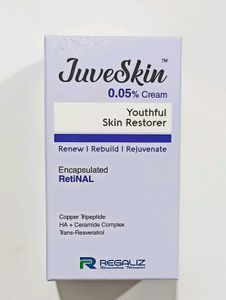
JuveSkin 0.05% Cream Youthful Skin Restorer
₹500 ₹1000
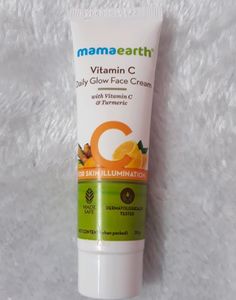
Mamaearth Vitamin C Daily Glow Face Cream With Vit
₹99 ₹99
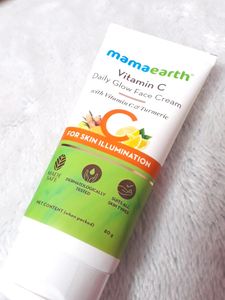
Mamaearth Vitamin C Daily Glow Face Cream With Vit
₹239 ₹249
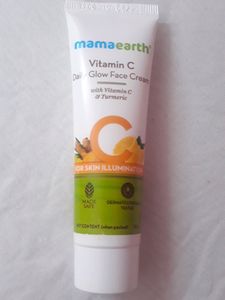
Mamaearth Face Cream Mini Pack 20 Ml
₹89 ₹99
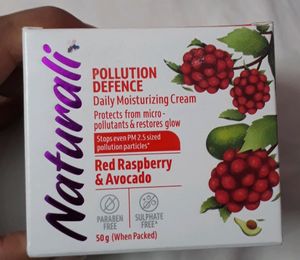
Naturali Pollution Defence Daily Moisturizing Cream
₹179 ₹265
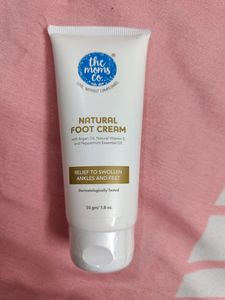
🆕✅Foot Cream For MOTHER✅🆕
₹149 ₹249
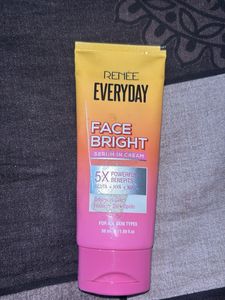
Renee Everyday Face Bright Serum In Cream
₹200  600 coins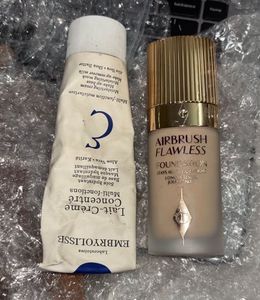
Embrolisses Cream and charlotte Tillbury foundatio
₹4000 ₹8200
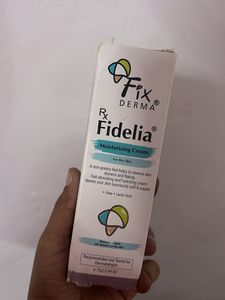
Fix Derma Fidelia Moisturizing Cream
₹169 ₹315
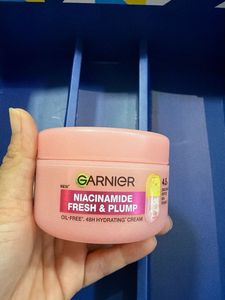
new unused Garnier Niacinamide Fresh & Plump Cream
₹299 ₹549
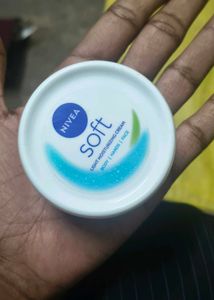
Nivea Soft Light Moisturizing Cream
₹70 210 coins
210 coins 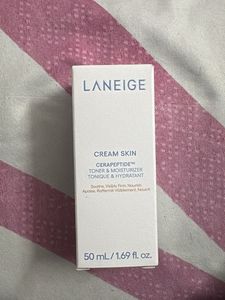
Laneige Cream Skin Toner & Moisturizer
₹750
© 2026 by FreeUp
Address: #235, Binnamangala, 2nd Floor, 13th Cross Road, 2nd Stage, Indiranagar, Bengaluru - 560038


