


477

Liked by jenni123 & 19 others
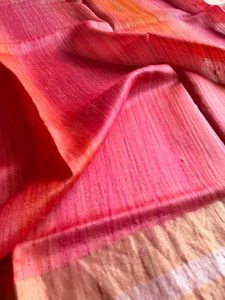
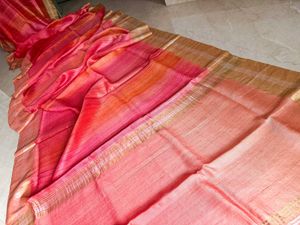
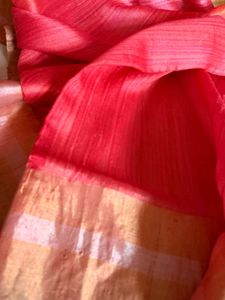
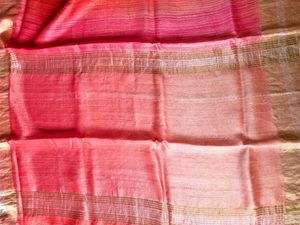
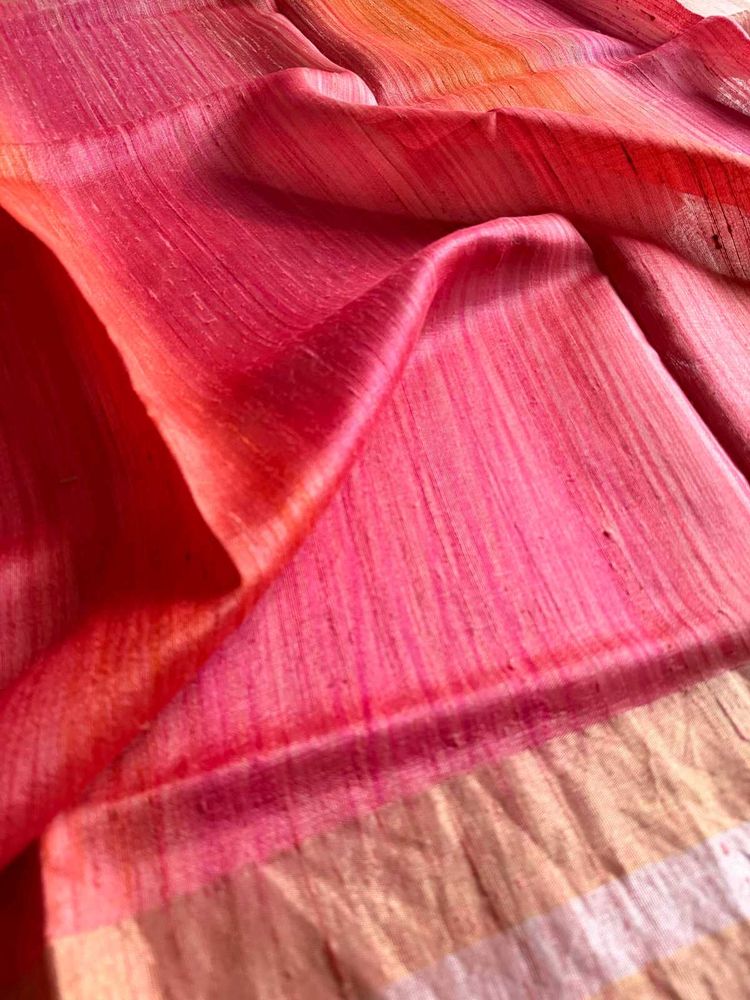
Pure Tussar Silk Multishade Saree
Shades of love ❤️
The saree transitions through coral pinks, rose tones, warm vermilions and soft golds, all within a harmonious sunset spectrum. The vertical movement of colour gives the illusion of shifting light, almost like silk responding to changing daylight. When worn, the shades subtly rearrange themselves with every fold and pleat, making no two drapes look identical.
At the structural level, the saree uses a stable, single-tone warp while the weft yarn is changed at regular intervals, approximately every 2–4 inches. Each new weft belongs to the same colour family but differs slightly in depth and warmth. Because the transition happens gradually and rhythmically, the eye cannot pinpoint where one shade ends and the next begins. Instead, the fabric appears to flow through colour, creating a natural sunset ombre effect.
This technique is known among weavers as gradational weft weaving (क्रमिक रंग बाना)- a method that requires:
• Precise pre-planning of yarn shades
• Accurate tracking of weft changes on the loom
• High skill, as errors cannot be corrected once woven
This kind of saree sits at the intersection of technical mastery and quiet aesthetics. It is not decorative in a loud sense, but deeply sophisticated—meant for those who appreciate process over surface appeal. Because gradational weft weaving increases loom time and demands colour intelligence, such sarees are rare and often under-credited.
Condition
Like New
Size
-

Purchase Protection
Get item as described or your money back
>
Material
Silk
Colour
Orange
Style
Party & Wedding
Embellishment
-
Pattern
-
Size
-
Weight
Under 1 kg
Place of Origin
India
 Konkan Division, Maharashtra

100% Pure Silk Mughal Banarasi
₹7000
Silver Pure Silk Kanjivaram Saree
₹6500 ₹45000
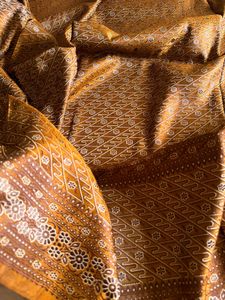
Pure Silk Vintage Parsian Brocade Saree
₹9500 ₹75000
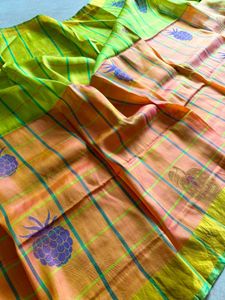
Rare Pure Kanjivaram Silk Saree in 2 shades
₹7500 ₹35000
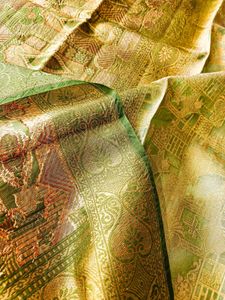
Rare Jangla Kadhua Weaving | Pure Kora Banarasi
₹11999 ₹50000
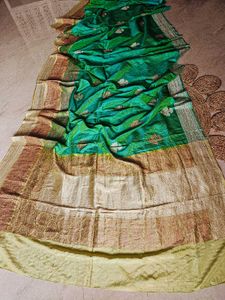
Pure Mulberry Silk Kattam Banarasi
₹3999 ₹35000


Pure Ghicha Tussar Silk Saree
₹850 ₹4500
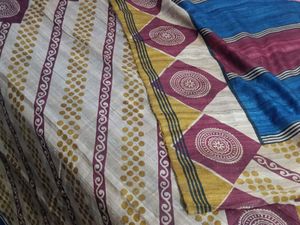
Pure Gicha Tussar Silk Saree
₹1300  2600 coins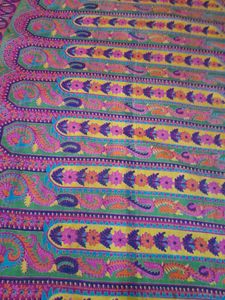
Pure Silk Saree
₹1200 ₹2500
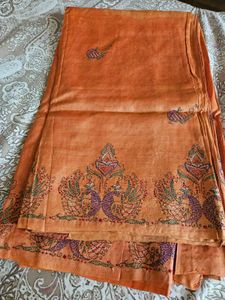
Kantha work pure silk saree
₹999 ₹10000

Elegant Red Tussar Silk Banarasi Saree with Resham
₹999 ₹5500

NEW TUSSAR SILK SAREE
₹1500 ₹4000
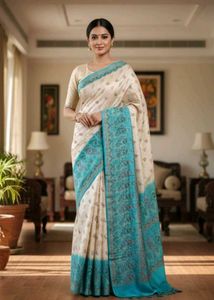
Beautiful Woven Pure Tussar Silk Saree
₹1600 ₹8000
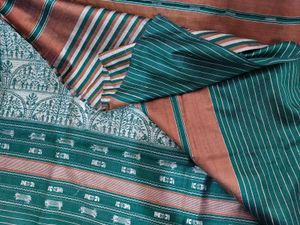
Green & Brown Striped Tussar Silk Saree
₹1800 ₹8500

Red Tussar Silk Saree
₹450 ₹599

NEW TUSSAR SILK SAREE
₹2000 ₹10000
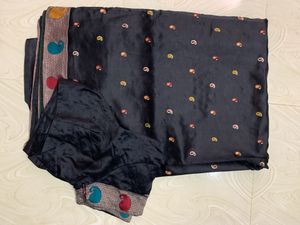
Pure Tusser Silk Saree
₹2500 ₹8500
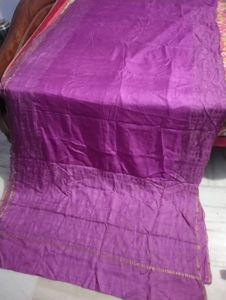
Pure Tussar Silk
₹1200 2400 coins
2400 coins
© 2026 by FreeUp
Address: #235, Binnamangala, 2nd Floor, 13th Cross Road, 2nd Stage, Indiranagar, Bengaluru - 560038


